
1927-2002
Harlan P. Howard
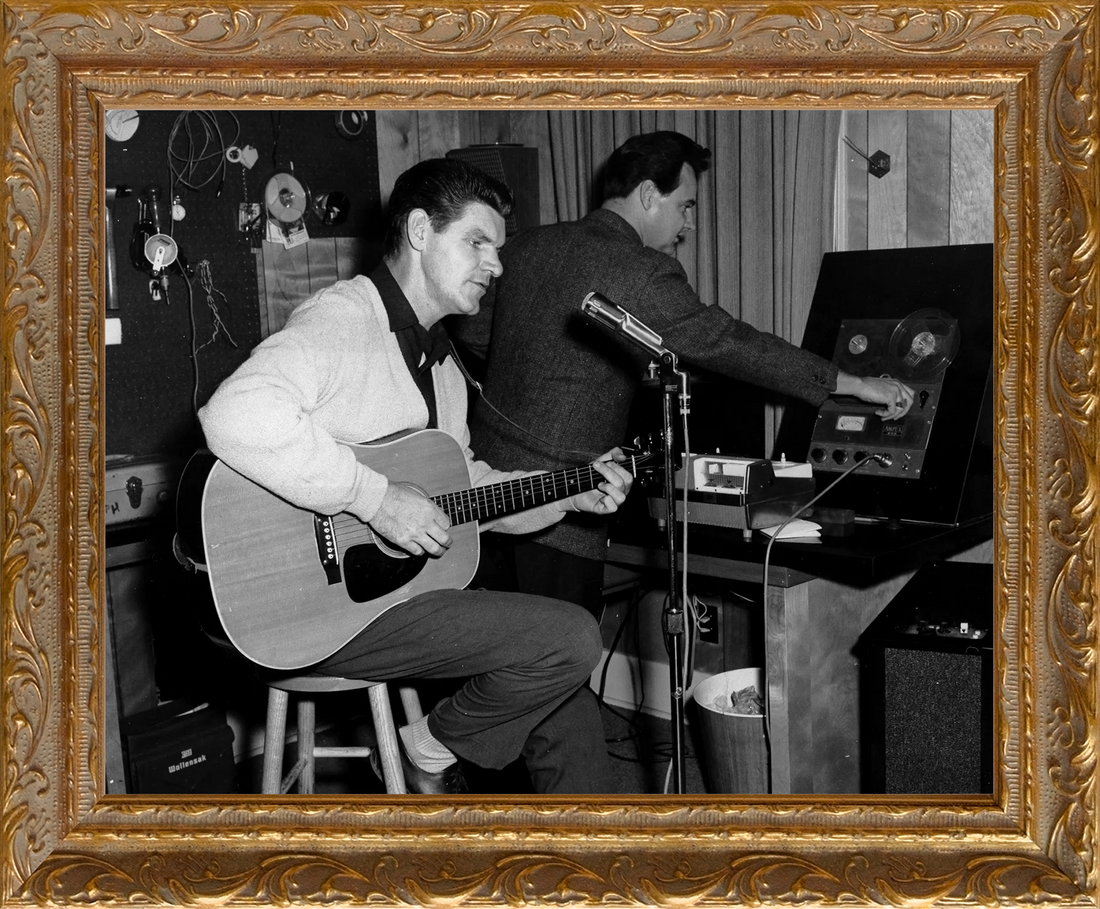
Detroit, Michigan
A boy without a home
He belonged to the State of Michigan
Harlan Perry Howard was born on September 8, 1927, in Detroit, on the eve of the Depression. His father, Ralph Howard, drank. His mother was Evelyn Steed.
Shortly thereafter, Harlan became a ward of the state of Michigan and lived in an orphanage until his eighth birthday, when his mother was located and came to claim him. It was a tumultuous reunion, and it did not last long. Though the Howard and Steed families were large, times were tough after the Depression, and once again Harlan was reunited with the Michigan foster care system. He lived where he was safest, in his imagination.
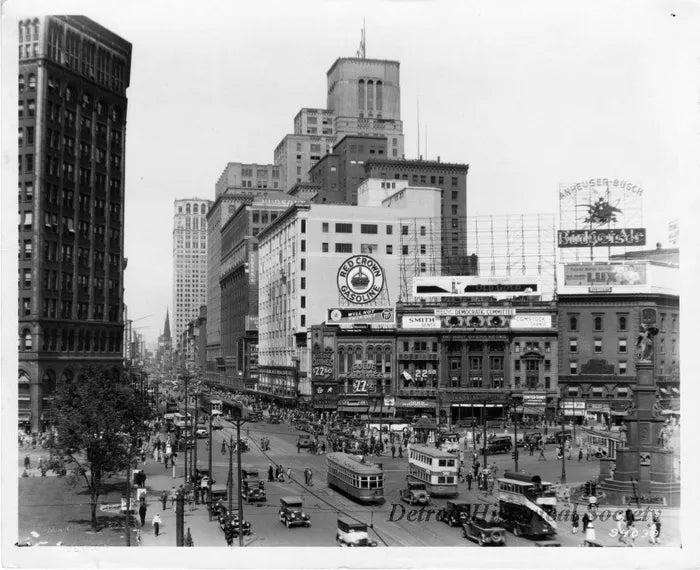
A farm, after dark
The radio
Ernest Tubb sang straight into a lonely kid's heart
By the forties, Harlan had moved through rural farming communities like Memphis and Leslie, Michigan. The foster families went to bed when the sun went down. Harlan would sneak to the family Philco radio and quietly listen to WSM's Grand Ole Opry, which usually sounded somewhat tinny to Harlan's ear. The early Opry was primarily bluegrass music.
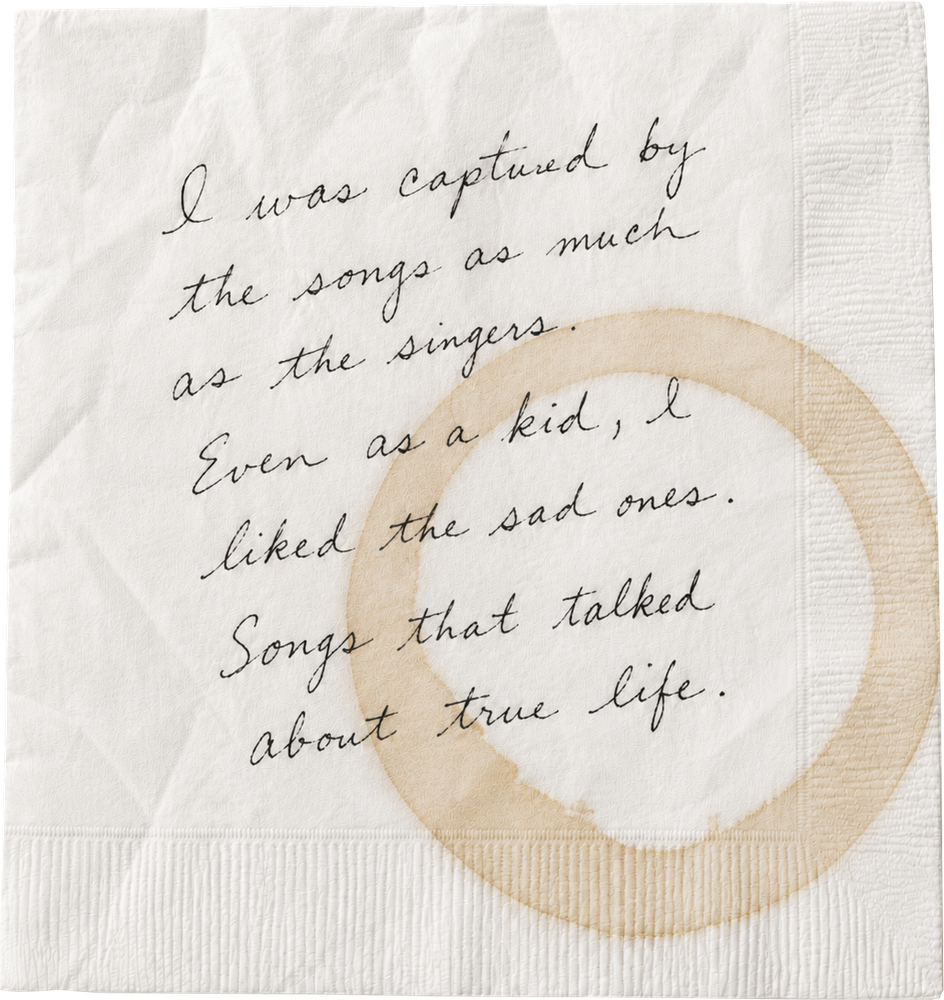
Then, on the fateful evening, Harlan heard his hero, Ernest Tubb, and his course was set. He was captured by the rhythm and the singing on the beat. He was mesmerized by the storytelling. He wrote the words down and memorized the melodies, and the next morning, while milking cows, he mimicked what he had heard using an empty pail.
Los Angeles
The forklift years
A pocket full of songs a day
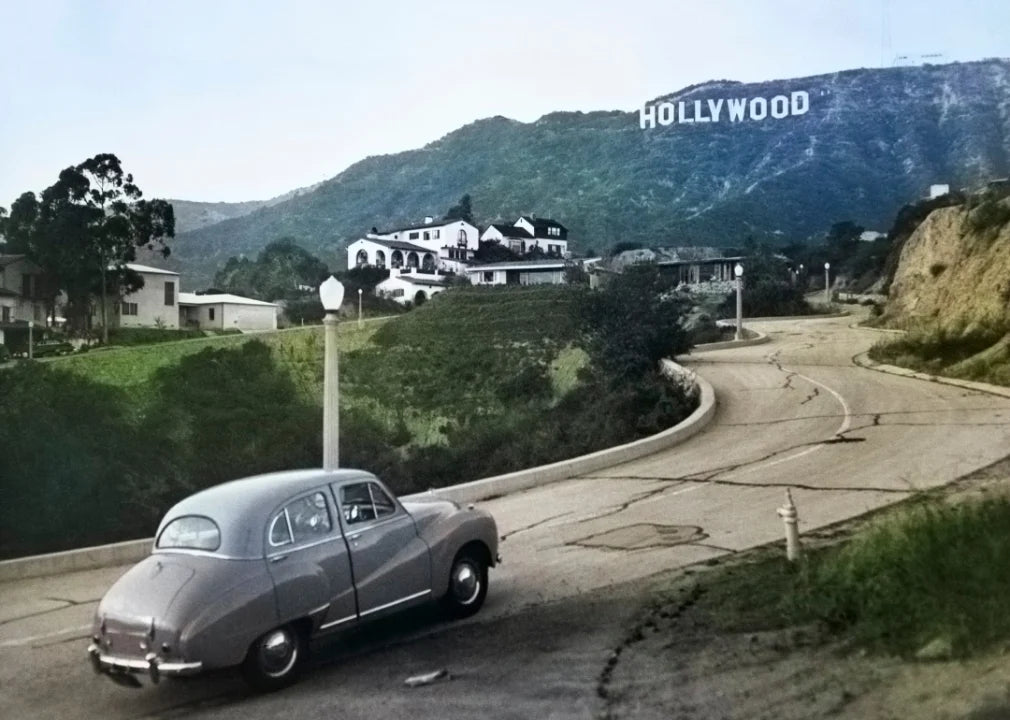
After four years as an Army paratrooper at Fort Benning, Georgia, Harlan returned to Detroit, but he did not stay long. He chased the music to Los Angeles and drove a forklift. Between loads he wrote songs, sometimes finishing as many as six before the whistle blew. In LA he met Wynn Stewart, Skeets McDonald, and Buck Owens. While canvassing Sunset and Vine, he met two honest cowboys named Tex Ritter and Johnny Bond, and they became his first publishers.
In 1958, Charlie Walker cut "Pick Me Up on Your Way Down." It went to number two on the country chart and it was the one that changed everything. A year later, Ray Price had a huge international hit with "Heartaches by the Number," and Guy Mitchell took it to number one on the pop charts.
Harlan once said that Ray Price took him off the fork truck and landed him in Nashville, Tennessee, on June 6, 1960.
Music Row
The explosion
Fifteen songs on the charts. At the same time. It has never been done since.
He arrived in Nashville in June 1960 and detonated. Writing alongside Willie Nelson and Hank Cochran at Pamper Music, Harlan put fifteen songs on the country charts at one time in 1961, a feat BMI says has never been matched. Ten BMI awards came in that year alone. Billboard named him Songwriter of the Year in 1962 and again in 1963, and BMI named him Country Songwriter of the Year in 1961, 1963 and 1967. A remarkable run for a man with nine years of schooling.
- I Fall to Pieces Patsy Cline, 1961
- Heartbreak U.S.A. Kitty Wells, 1961
- Foolin' Around Buck Owens, 1961
- The Blizzard Jim Reeves, 1961
- Under the Influence of Love Buck Owens, 1961
- Three Steps to the Phone George Hamilton IV, 1961
- Odds and Ends Warren Smith, 1961
- Above and Beyond Buck Owens, 1960
- The One You Slip Around With Jan Howard, 1960
- Everglades The Kingston Trio, 1960
- Heartaches by the Number Ray Price, 1959
- Pick Me Up on Your Way Down Charlie Walker, 1958
- He Called Me Baby Patsy Cline, 1963
- Busted Ray Charles, 1963
- I've Got a Tiger by the Tail Buck Owens, 1965
In 1961, fifteen of his songs sat on the country charts at the same time. It has never been equaled. Ten BMI Awards that year, a Grammy for Busted two years later, and the hits kept coming for four more decades.
Center Hill Lake
Wilderness Music
Songs Monday to Thursday. Fishing on Friday.
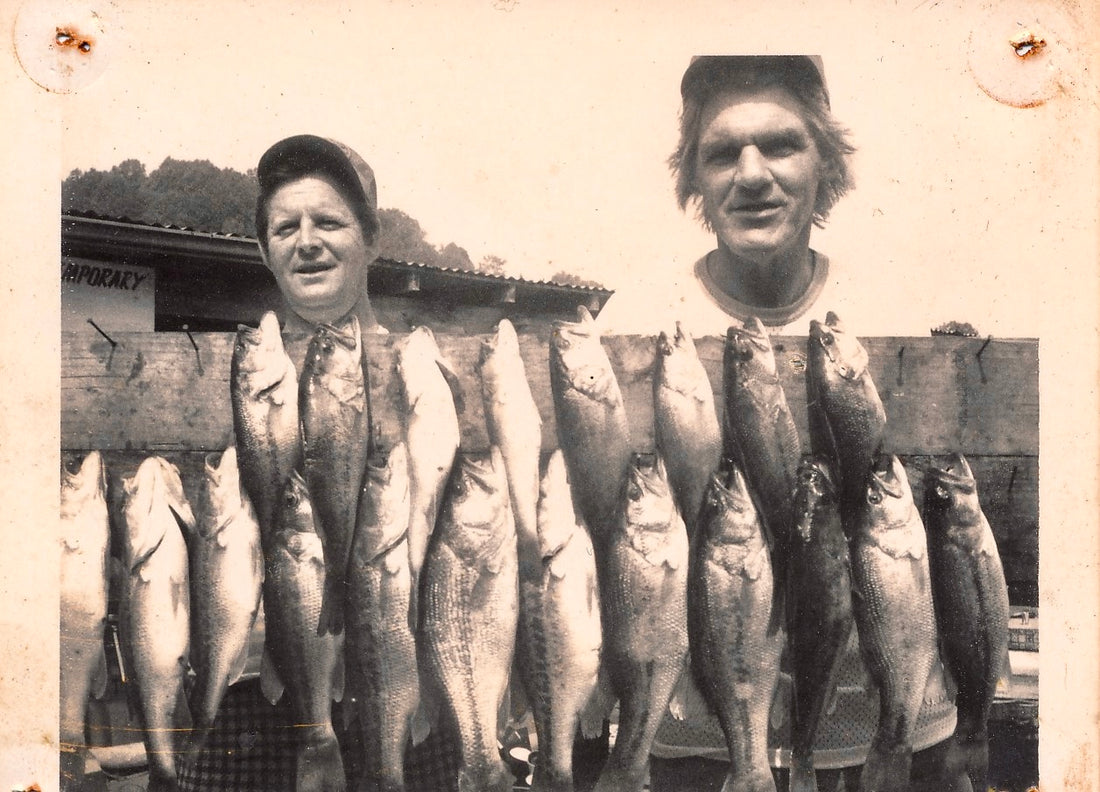
By now Harlan had his own publishing company, Wilderness Music. He kept a working man's week: he wrote Monday through noon on Thursday, and Thursday afternoon he was on Center Hill Lake, running out of Sligo Boat Dock.
Anna Maria Island, Florida
Burned out
He set the pencil down
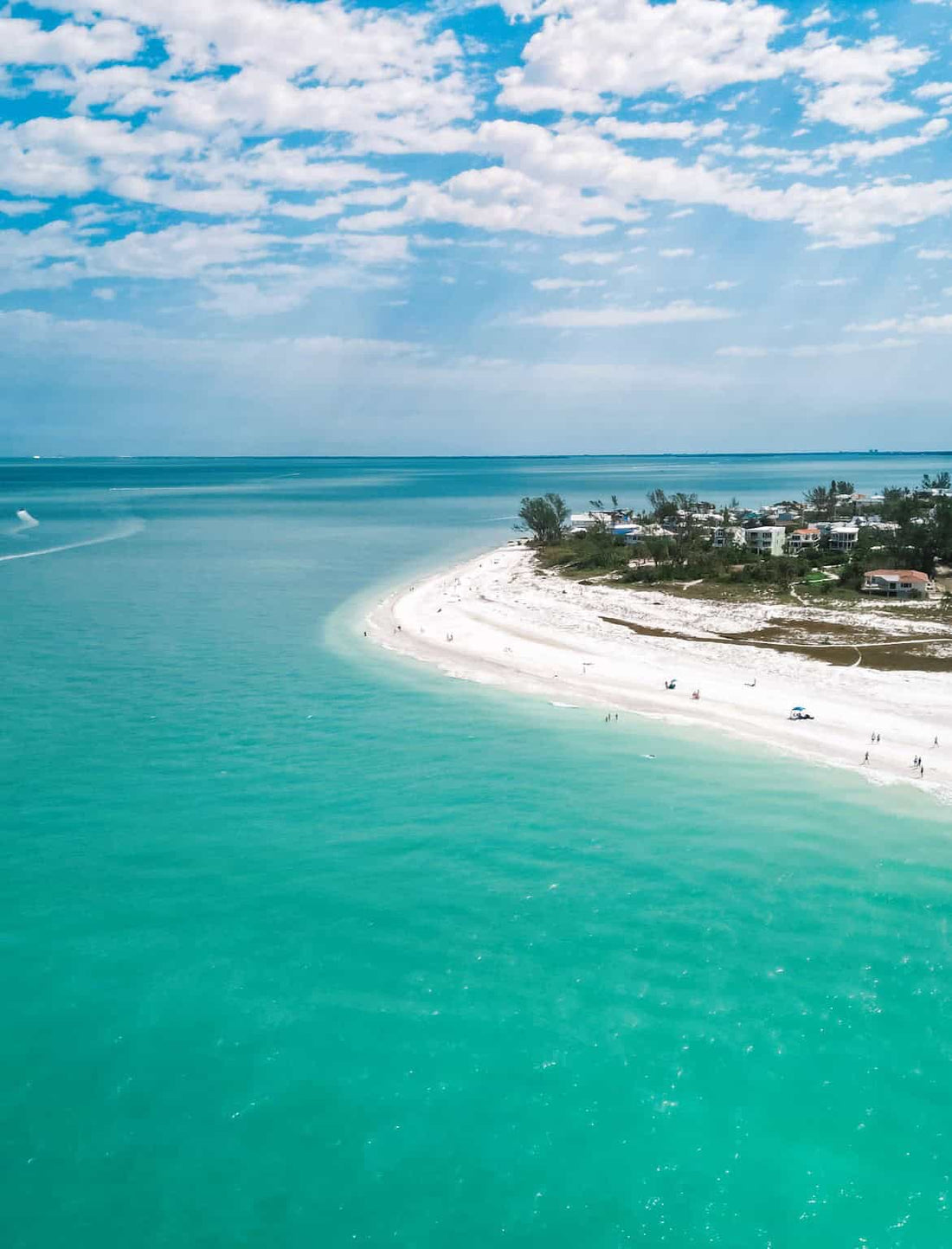
By the late seventies Harlan was burned out. He left Music Row behind, settled on Anna Maria Island on the Florida gulf, and fished.
Nashville
The comeback
Back in town, and back on the charts
Harlan came back to Music Row at the top of the eighties, and the town had not forgotten him. He wrote "Somebody Should Leave" with Chick Rains in the summer of 1983, on the drive out to the lake, and asked that Chick's name go first. Within two years he had three number ones back on country radio: "I Don't Know a Thing About Love" for Conway Twitty in 1984, "Why Not Me" for The Judds the same year with Sonny Throckmorton and Brent Maher, and "Somebody Should Leave" for Reba McEntire in 1985.
The BMI parking lot
The Birthday Bash
The rule: you had to play two songs you wrote
Every fall, on the Tuesday closest to September 8, a stage went up in the BMI parking lot and a honky-tonk took over Music Row. It ran for more than a decade. Emmylou Harris, Buck Owens, John Prine, Rosanne Cash, Guy Clark, even Mark Knopfler and Donna Summer crossed that stage.
The commemorative posters and tees from those years still surface around Nashville, hunted by collectors.
“He bought me my first shot of tequila and proceeded to tell me what I was in for, if I had the guts. Harlan loved to do that. Teaching 'the juveniles.' And we hung on to every word.”
Matraca Berg, Rolling Stone, March 2002Maude's Courtyard
The Dean of Music Row
Write till noon. Then hold court.
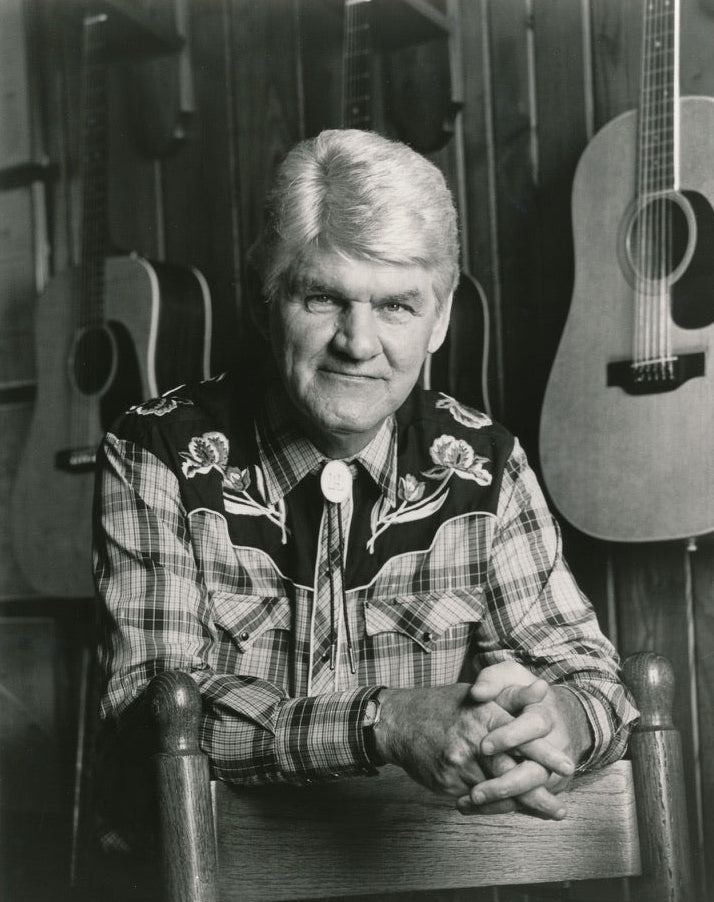
Songs in the morning, done by lunch, then a table at Maude's Courtyard. Young writers gathered at his table, and mentoring them was a joy to Harlan.
The man who threw Music Row's biggest party was, at heart, a shy man. He was happiest with a few friends, a few drinks, and stimulating conversation that often flowed into titles and song ideas.
“He was so good to young people. He was always in our corner. The gift of a great Harlan song was they were direct, simple, and from the heart. He's up there with Hank Williams. He was one of the heroes.”
Kris KristoffersonThe Hall of Fame
The crown
'37 years on Music Row, and this is my first CMA award. It's a nice one.'
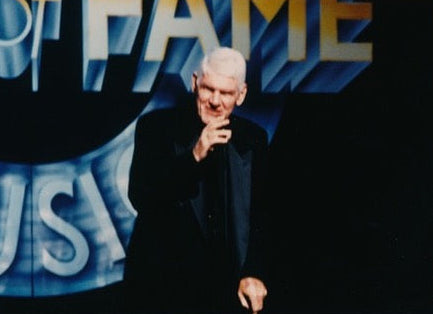
In 1997, in a single year, Harlan entered both the Country Music Hall of Fame, alongside Brenda Lee and Cindy Walker, and the national Songwriters Hall of Fame in New York. On stage he thanked Buck, thanked Ray Price, thanked the two honest cowboys, and thanked God for that night on a Michigan farm when the radio found Ernest Tubb.
He closed with a promise to Melanie, the wife who built the publishing house with him from a condo basement: that he would take her to the castle in Dublin. And he did.
The Ryman
Per his wishes
Not a funeral. A celebration.
Harlan died on March 3, 2002. Sixteen days later, in accordance with his wishes, family and friends gathered at the Ryman, not to mourn him but to celebrate his life. Artists who were still living performed Harlan's biggest hits, and his other songs were carried by current recording artists. A private family service followed.
The streak would not end with him. In 2010, the British band one eskimO took "Kandi," built on Candi Staton's recording of Harlan's "He Called Me Baby," to the top of Billboard's Adult Alternative chart. BMI and the Nashville Songwriters Foundation credit him with number one records across six different decades.
Wedgewood-Houston
The name on the wall
Nashville built a house on his sentence
In the fall of 2026, The Truth opens its doors on Chestnut Street: a 4,383-seat room named for the five words Harlan threw off at a bar table. Up on the mezzanine there is a whiskey bar called Harlan's. Pull up a stool, order it his way, and raise a glass to the Dean.
His name is on the wall. The story belongs everywhere else. That is what this site is for.

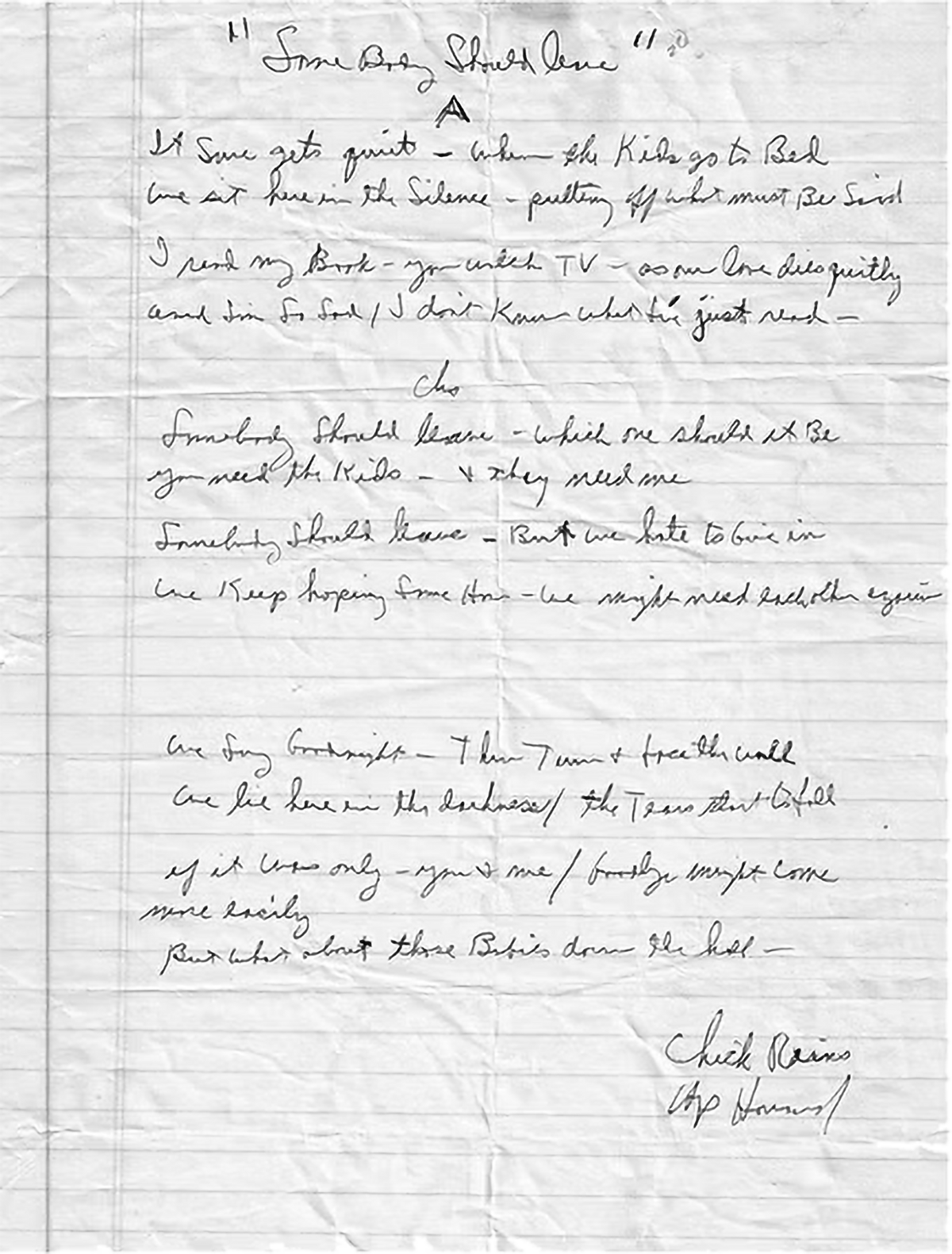
From the notebook
The truth, in his own hand
No demo, no session, no stage. This is where every one of the four thousand started: a pencil, a page, and a title worth chasing. Hold the paper up to the light and you can watch him work: lines crossed out, words weighed, the truth argued into place.
Somebody Should Leave, in progress. From the family archive.
The toughest songs in the world to write are love songs. I prefer a song about a relationship that's a little bit shaky or even tragic. That represents country music and the drama of the man-woman thing. That's the most fun to write.
Harlan Howard
Put him on
The jukebox never closes
One hundred cuts, six decades, every one of them true. Press play and read his story the way it was meant to be read.
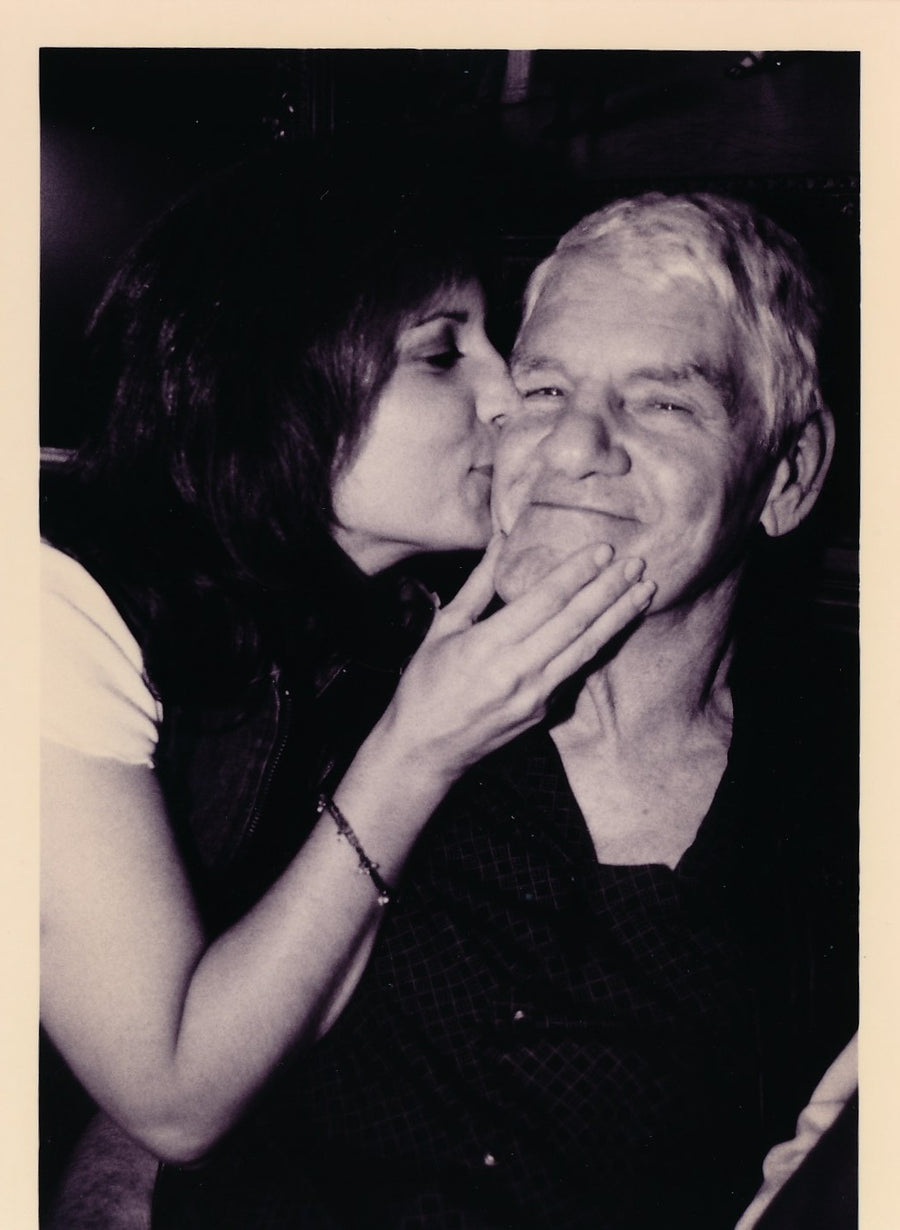
A note from Melanie
My life changed for the better the day I met Harlan. I already loved country music, but he gave me a career. He schooled me in the art of listening to songs, pitching great songs to artists, and copyrighting them for longevity.
Harlan taught me invaluable life lessons, as he was the kindest human being I have ever known. He said he'd be a hard act to follow, and no truer words have ever been spoken.
Melanie Howard